About the Authority
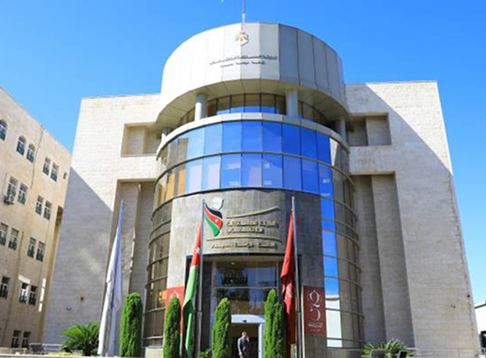
The Independent Election Commission was established in 2012 as an independent body responsible for managing and overseeing the electoral process without interference or influence from any party. The Commission is a product of the political reforms in the Hashemite Kingdom of Jordan under the leadership of His Majesty King Abdullah II bin Al-Hussein, and it reflects the official institutions' responsiveness to popular demands.
The Commission was established to ensure parliamentary elections that meet international standards, thereby restoring public confidence in the electoral process and its outcomes, addressing past shortcomings, and building upon past achievements and reform initiatives.
The Commission commenced its work in May 2012 and, within a remarkably short period, established its institutional structure, ensured its sustainability, and prepared for the 17th Jordanian parliamentary elections, which took place in early 2013 – the first elections managed by the Commission since its establishment.
In 2014, constitutional amendments expanded the role and responsibilities of the Independent Election Commission to include managing municipal and general elections, in addition to any other elections assigned to it by the government, ensuring the highest levels of transparency, integrity, and impartiality in managing the various electoral processes.
The Commission subsequently oversaw several by-elections, municipal council elections, and the Greater Amman Municipality Council elections, which were conducted by the government in August 2013. (Independent Election Commission Law No. (11) of 2012).


An effective democracy based on fair and transparent elections, founded on multi-party democracy, and grounded in the rule of law and citizenship.

Managing the electoral process and overseeing political parties, through regulatory legislation and in accordance with best international practices, ensures the participation of all segments of society in elections and political life. This includes providing distinguished services based on justice, impartiality, and the rule of law, relying on competent personnel, integrated infrastructure, and effective and up-to-date communication technologies to increase citizen and partner satisfaction and awareness, and to respond to their needs and aspirations. It also involves activating the role of women, youth, and people with disabilities in political participation.

Ensuring that elections are conducted in accordance with international standards.